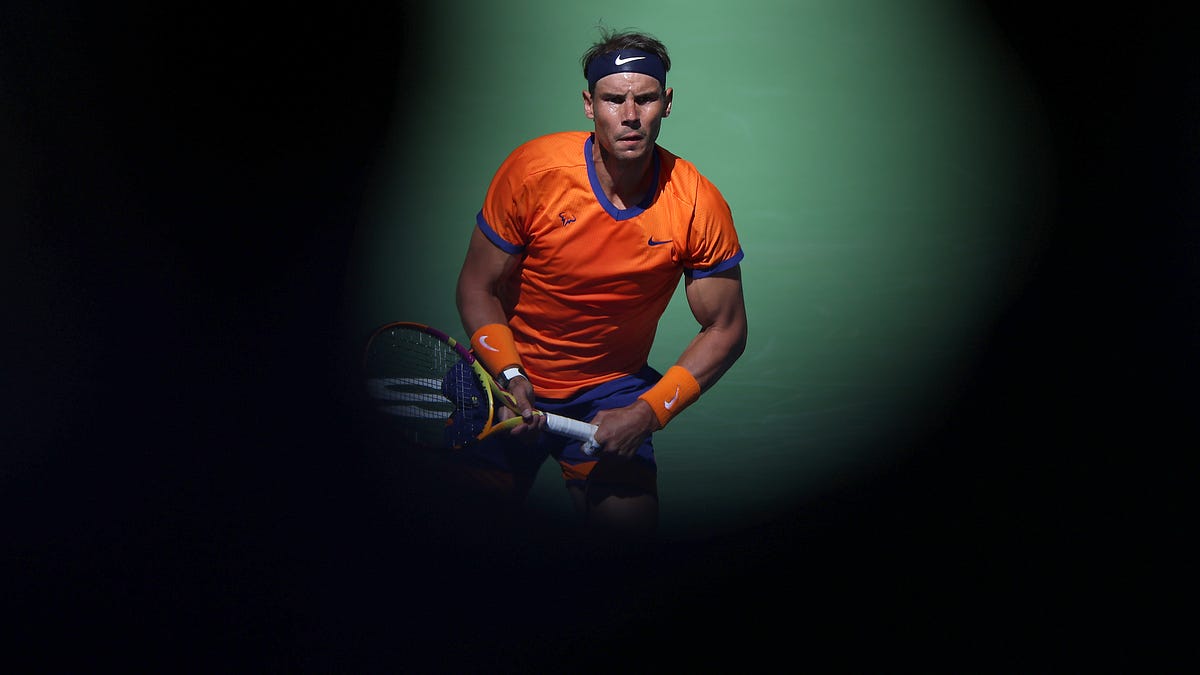
Yesterday Nadal came back from a double break deficit in the 3rd set against Sebastian Korda in Indian Wells. Korda served for the match twice and was broken twice by Nadal (who happens to be his idol), before Rafa won the deciding tiebreak.
Nadal offered up some interesting insights in his post match presser:
Nadal: I don't know. The only thing that I can tell you is, if the people believe that I am a believer all the time that I going to come back, it’s not true. I don't have this amazing self-confidence that even if I am (down) 5-2, okay, I going to come back. No.
But in my mind is, okay, is almost impossible. I don't want to give up. I going to keep trying. But I know it's going to be almost impossible. Let's try to let him win, not help him to win. Just try to keep going and to put the things a little bit more difficult to the opponent.
Normal thing with this kind of match, in that position from 100 matches, probably you going to lose 90. But if you give up, you're going to lose 100. If you are there, you can win 10%.
The bit I bolded is the most relevant bit to the match:
Let's try to let him win, not help him to win
This sentence will be unsurprising if you’ve followed either Nadal or Djokovic’s comments about numerous tight matches they’ve won over the years despite battling to find their best tennis. Nadal dug part of his own hole in set three by going on a double fault spree, along with some misfiring forehand form, but Korda played a significant part in Nadal’s struggles.
First strike
Korda, after a very slow start in set one, approached this match pretty much perfectly when it came to his gameplan. He employed the sort of first strike tennis (i.e trying to be point ending-ly aggressive as early as possible) that most challengers to Nadal or Djokovic need to employ to have a realistic chance of winning. After all, getting into a point construction or rally battle with Nadal on a medium-slow court like Indian Wells is usually tennis Seppuku. And so Korda rolled the dice. He played high risk, aggressive tennis, and it got him within a few points of a huge win. At its best it was superb.
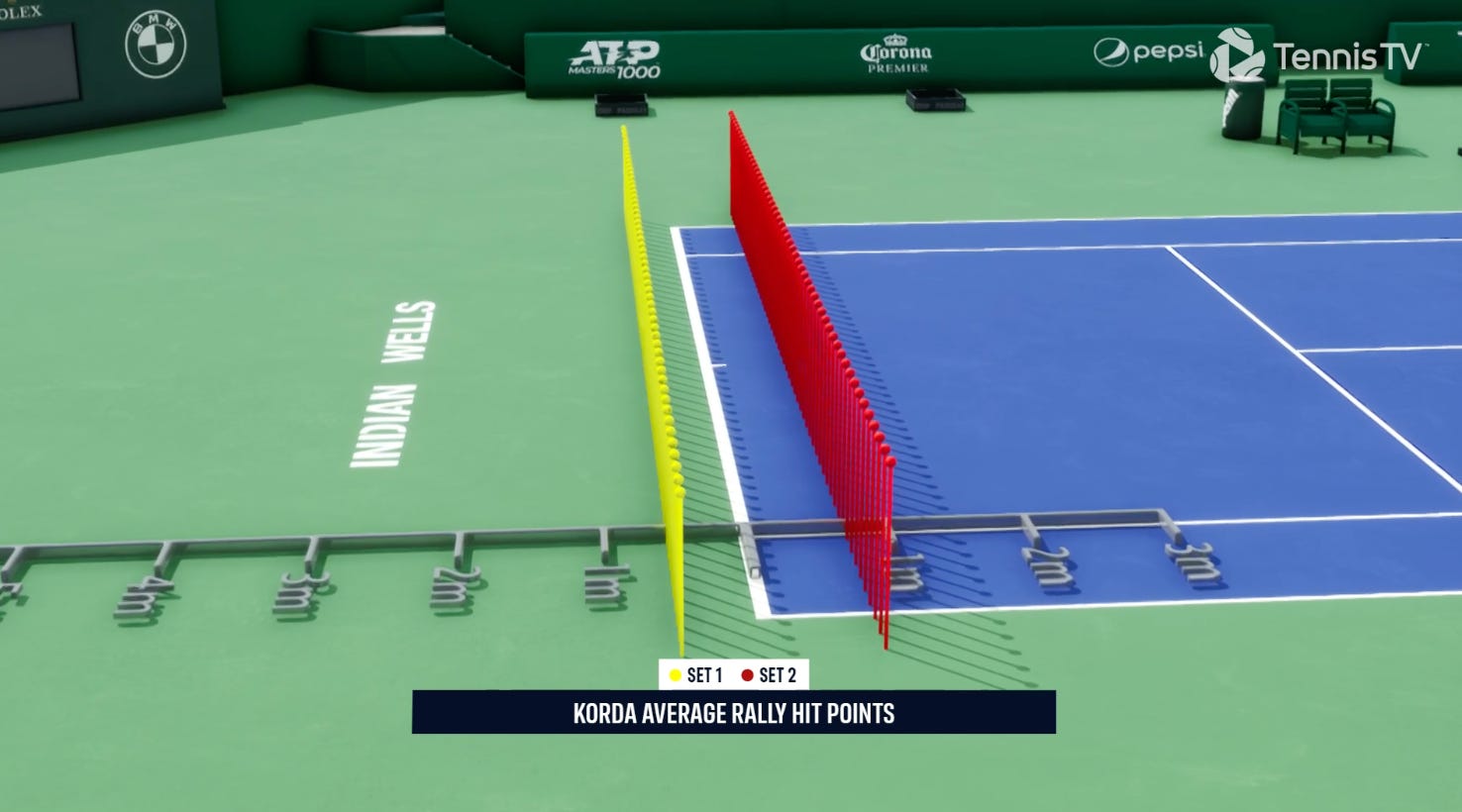
I especially want to give Korda a lot of credit for the way he returned (one of his best attributes) for chunks of this match. Nadal struggled with his serve after set one, but part of this was down to how well Korda attacked it. The break for 2-2 in the third set most of all:
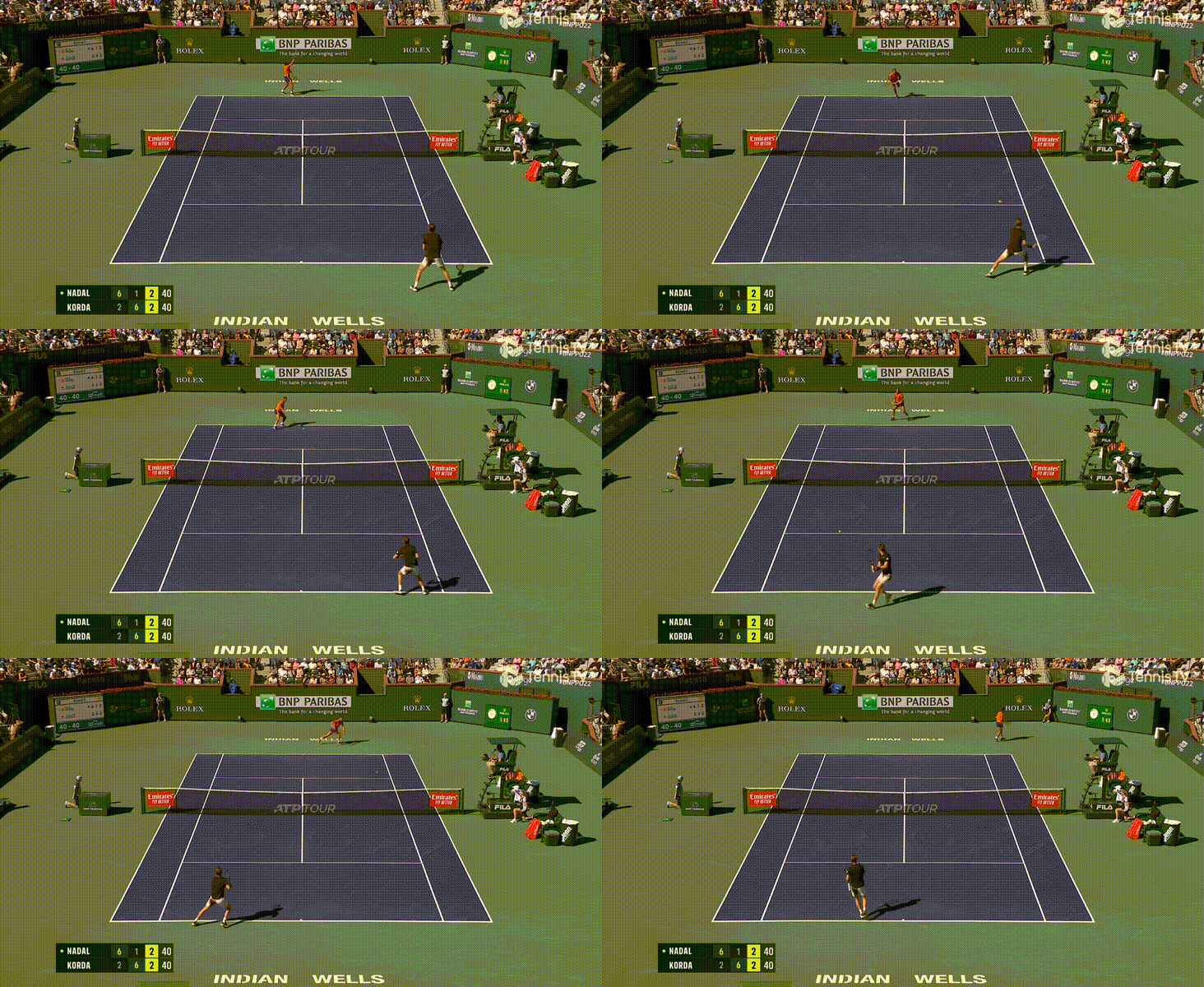
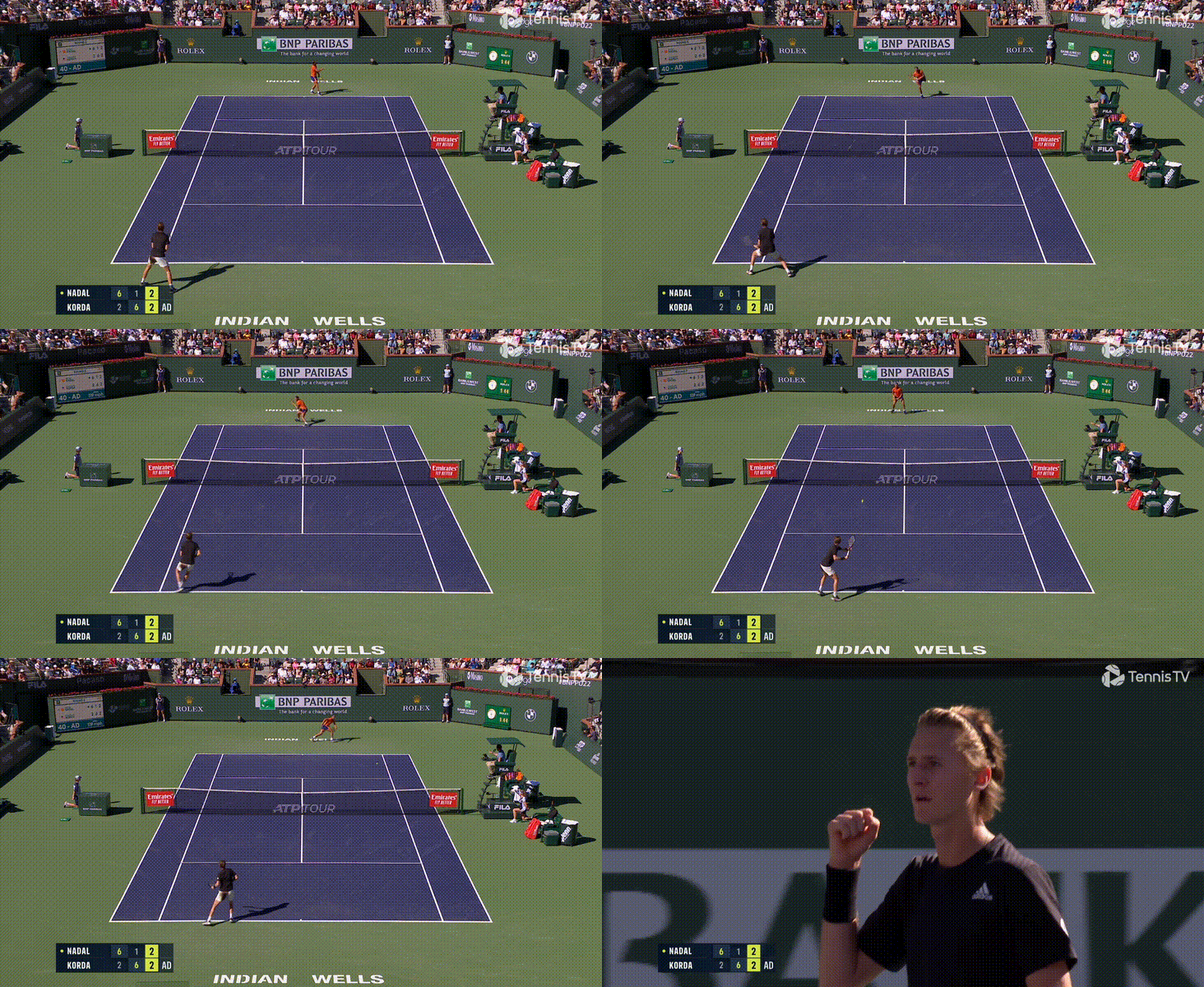
Nadal struggled quite a bit in this match with where to serve. The jammer body serve ended up being his most successful spot as the match wore on, largely because of the risk of hitting serves into either Korda’s forehand or backhand returns in form like the above. Nadal will be irritated with some of the points that led up to that deuce and AD point above, but those two points were unplayable from Korda, the winning sides of the dice in his high risk game-plan. This offensive return performance from Korda contributed to one of the worst serve+1 performances I’ve seen from Nadal in quite some time:
Rafa got to hit 19 forehands as the follow up shot to his 1st serve in sets 2 and 3 combined. He won just 6 (31%) of those points, either misfiring or rushed by excellent, deep Korda returns (good e.g in the first GIF above).
Let's try to let him win, not help him to win
Back to this quote.
First of all, Nadal changed his return positions in the second half of the match:
Nadal’s 1st serve return position avg in set one: 1.9 metres behind baseline
Nadal’s 1st serve return position avg in set three: 3.6 metres behind the baseline
This contributed to Nadal putting more 1st serve returns back in play and winning more 1st serve return points, especially in the latter half of set 3:
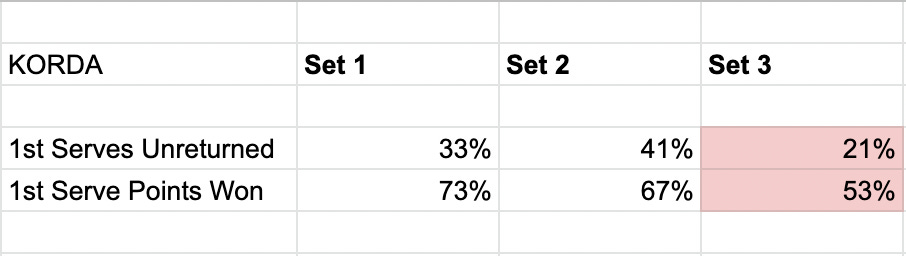
And on 2nd serve:
Nadal’s 2nd serve return position avg in sets 1/2: 2.5 metres behind baseline
Nadal’s 2nd serve return position avg in set 3: 0 metres behind baseline (i.e on the baseline)
Essentially Nadal had decided that on 1st serve returns he was going to try and make Korda play as much as possible by making returns, while on 2nd serve Nadal wanted to try and be aggressive and get into, at worst, neutral baseline rallies. Rafa was desperately trying to find the right balance of passivity and offence in the face of such an aggressive opponent. That balance is present in every tennis match but against an opponent trying to redline everything, it’s more delicate than ever. If Nadal puts lots of balls in court, but they’re too short, then maybe Korda crushes them for winners. But if Nadal makes too many errors trying to be too offensive then he doesn’t give Korda the chance to make his own errors, especially as rallies went longer into set 3. This match was decided by that extremely delicate dynamic.
Let’s take a look at the two games Korda was broken while serving for the match.
Korda serving for the match at 5*-2
0-0: 2nd serve, good return from Nadal into Korda backhand. 5 shots, Korda backhand unforced error.
0-15: 2nd serve: unforced error backhand return from Nadal
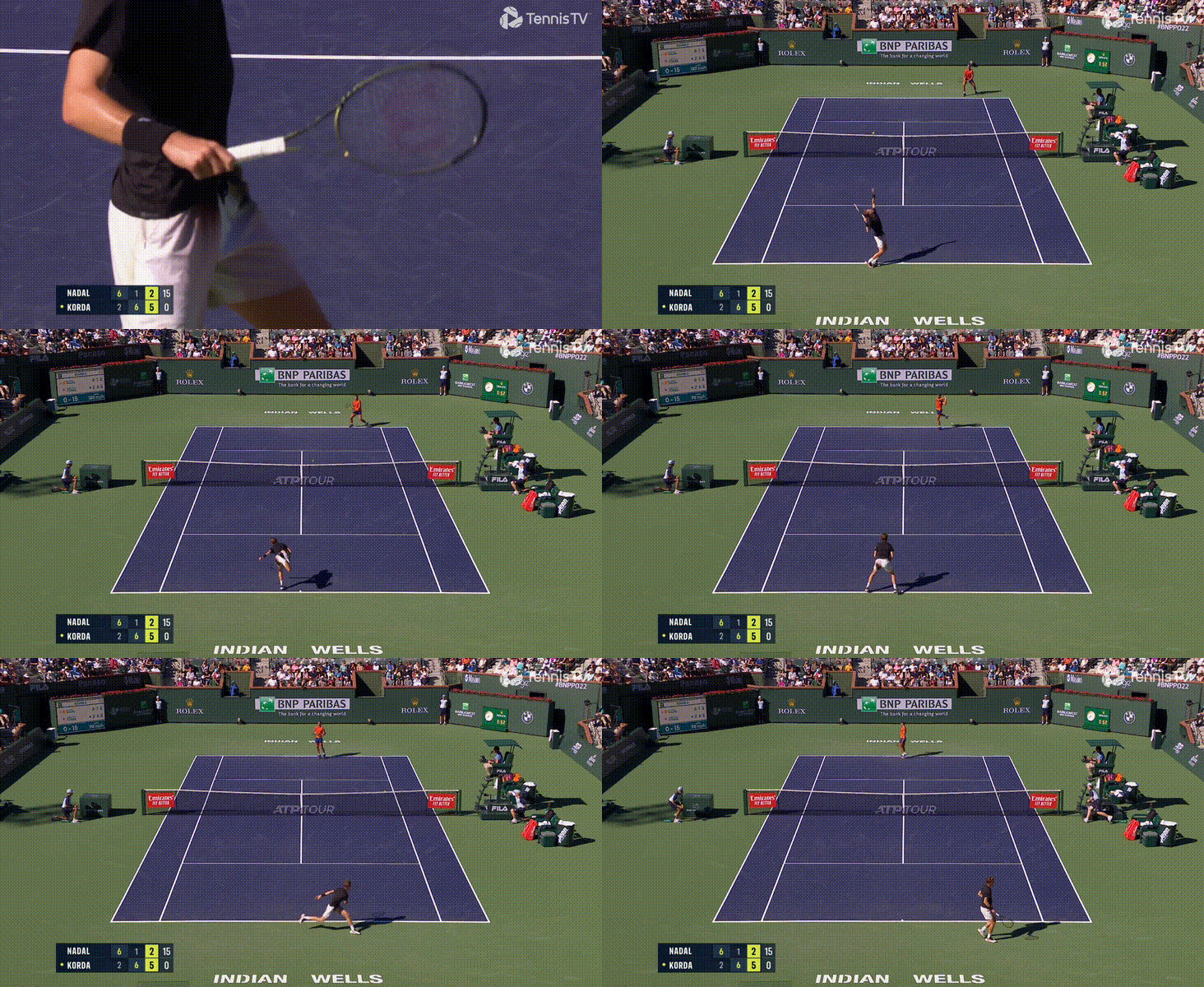
↑ This was the only 2nd serve return Nadal missed in this game. You can see the aggressive court positioning and the anguish from Nadal when he missed, walking that tightrope of passive-offensive. This time he missed, but those aggressive returns paid off in the rest of the game and got him into neutral baseline rallies, where Korda started to miss… 15-15: 1st serve: good Nadal return, 7 shots, Korda backhand unforced error.
15-30: 2nd serve: Korda backhand unforced error on his 2nd shot.
15-40: 2nd serve: good Nadal return, 9 shot rally, Korda backhand unforced error.
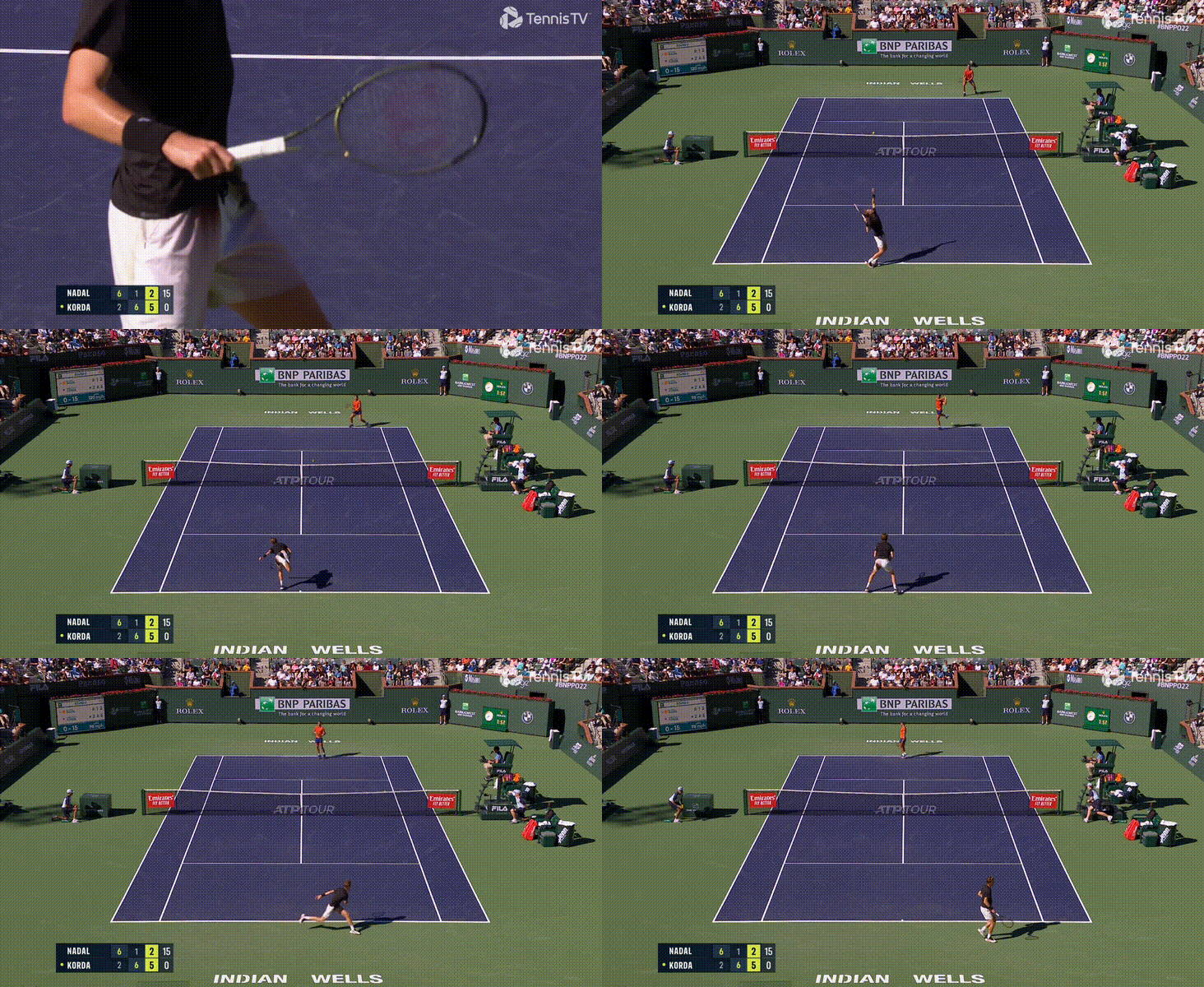
4 Korda backhand unforced errors, three of which came after rallies of 5 shots or more.
In that first break back, Nadal did exactly what he said in the presser. He put good 2nd serve returns back in play, created neutral baseline rally positions forcing Korda to think a bit more about point construction, and was rewarded with backhand errors. Simply, Nadal didn’t help Korda to win. These Korda errors might have looked bad, but they’re expected when a player is rolling the dice in the high risk way Korda did. And the added pressure of trying to serve out a match against his idol, clearly didn’t help.
Korda serving for the match, again, at 5*-4
0-0: 1st serve, 8 shots, Nadal backhand pass winner:
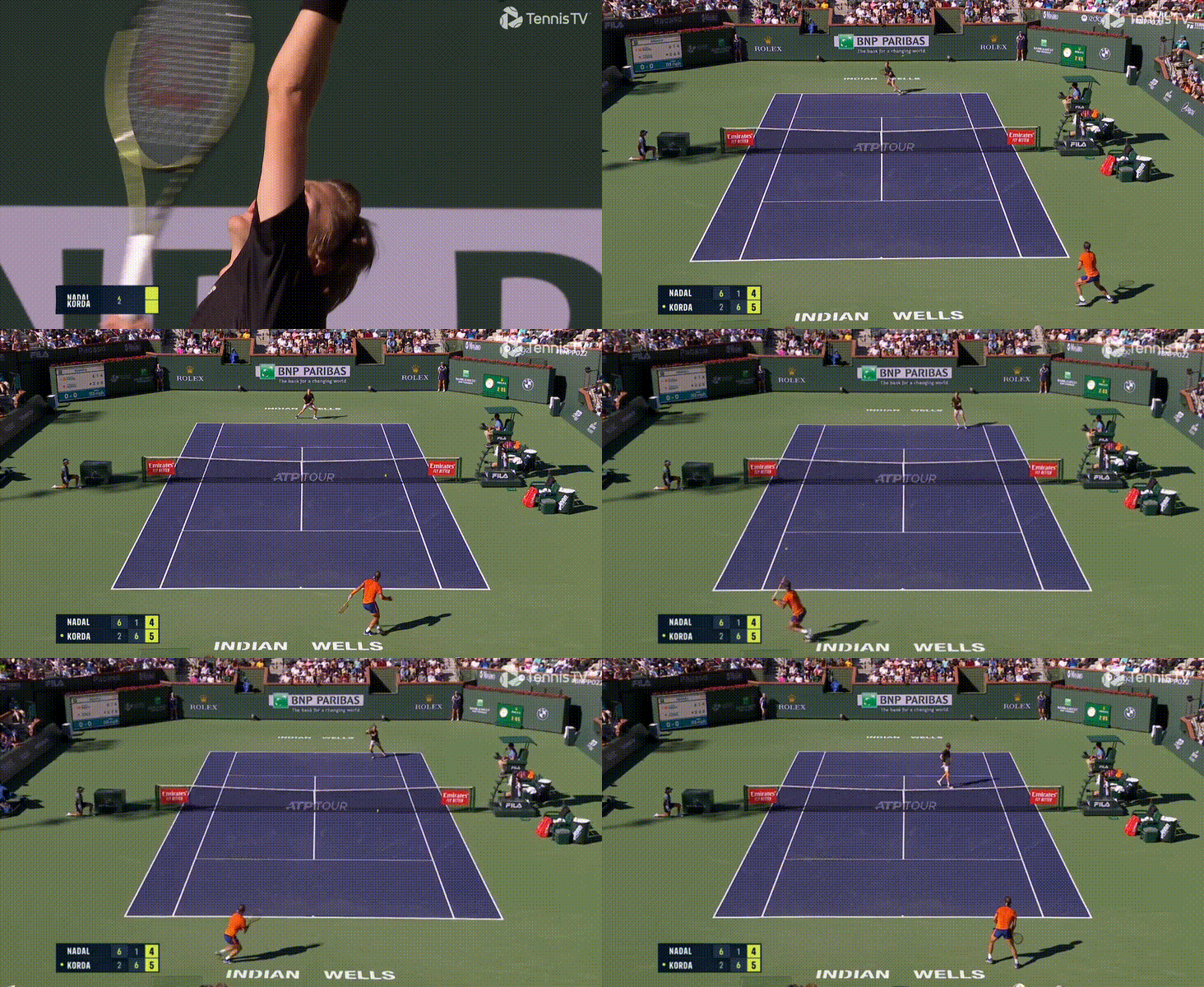
↑Probably a questionable decision by Korda to come to the net on this approach. But again, Nadal’s deeper 1st serve return position gets him to a neutral-ish baseline position. 0-15: 1st serve, 4 shots, Nadal backhand pass winner:
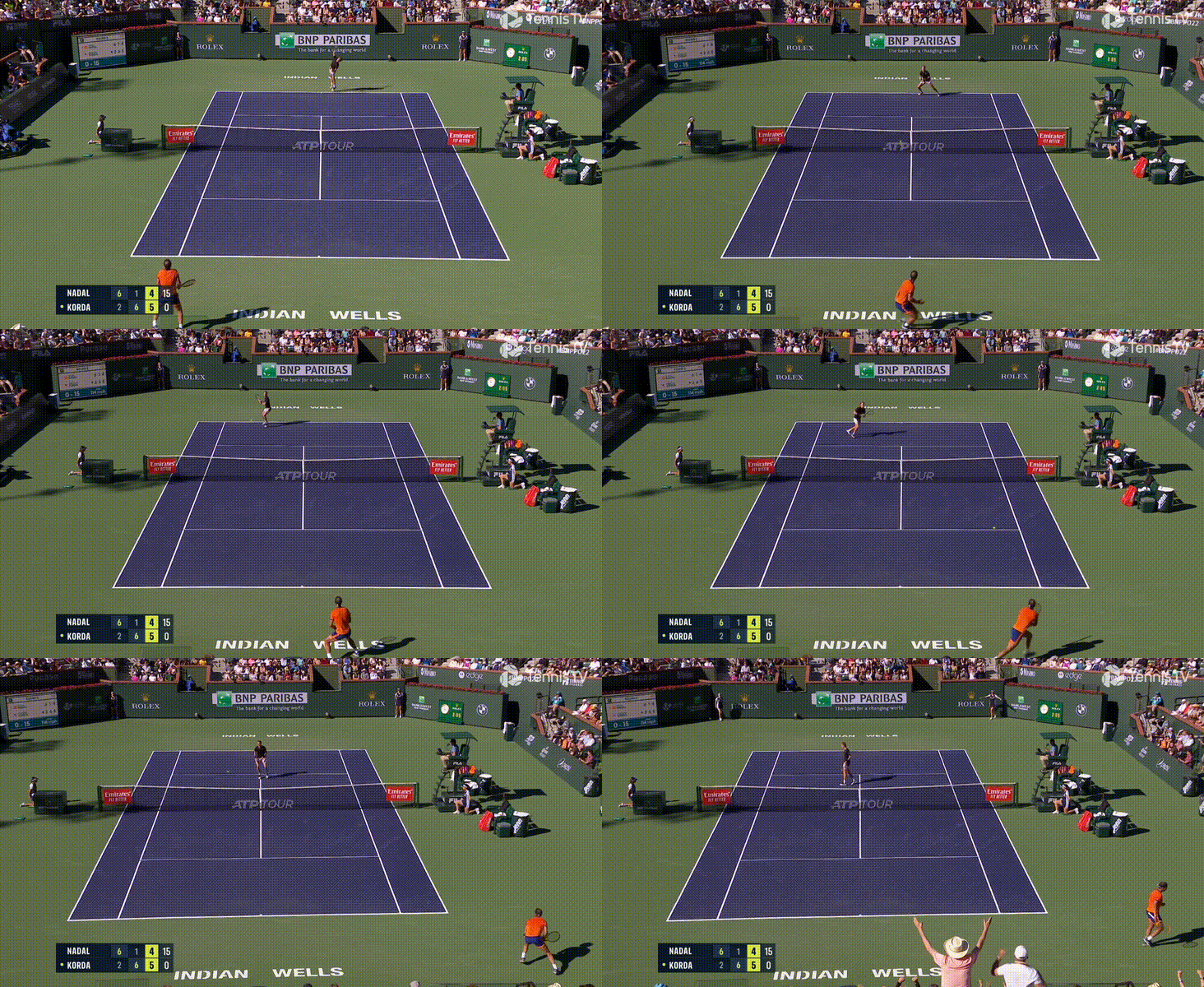
↑ Nadal, from his deep 1st serve return position again, puts the ball back in play and then comes up with a miracle passing shot. Korda didn’t do much wrong here. 0-30: 2nd serve, 6 shots, Nadal hits too short in neutral rally, Korda forces Nadal error:
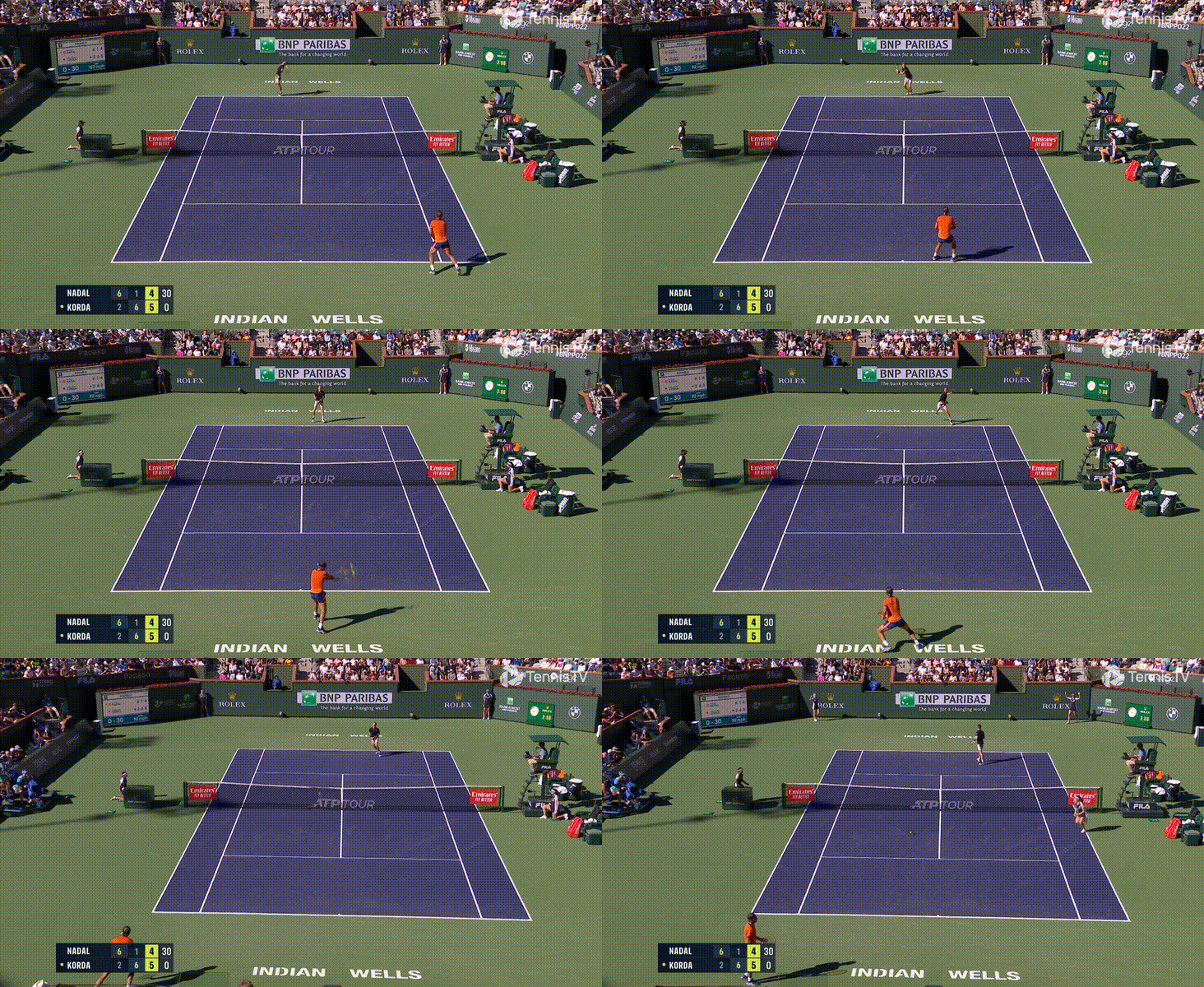
↑ This might seem like a random point to show, but Nadal’s reaction was relevant here. He screamed in anguish at how he’d played this point. He hits an OK 2nd serve return but then plays it too safe on his next shot despite having gotten to a neutral baseline rally. Korda punishes the attackable ball. Nadal fighting that passive-offensive balance again. 15-30: 2nd serve, Korda serve+1 backhand winner
30-30: 1st serve, 6 shots, Korda forced backhand error
30-40: 2nd serve: Korda forehand unforced error on 2nd shot
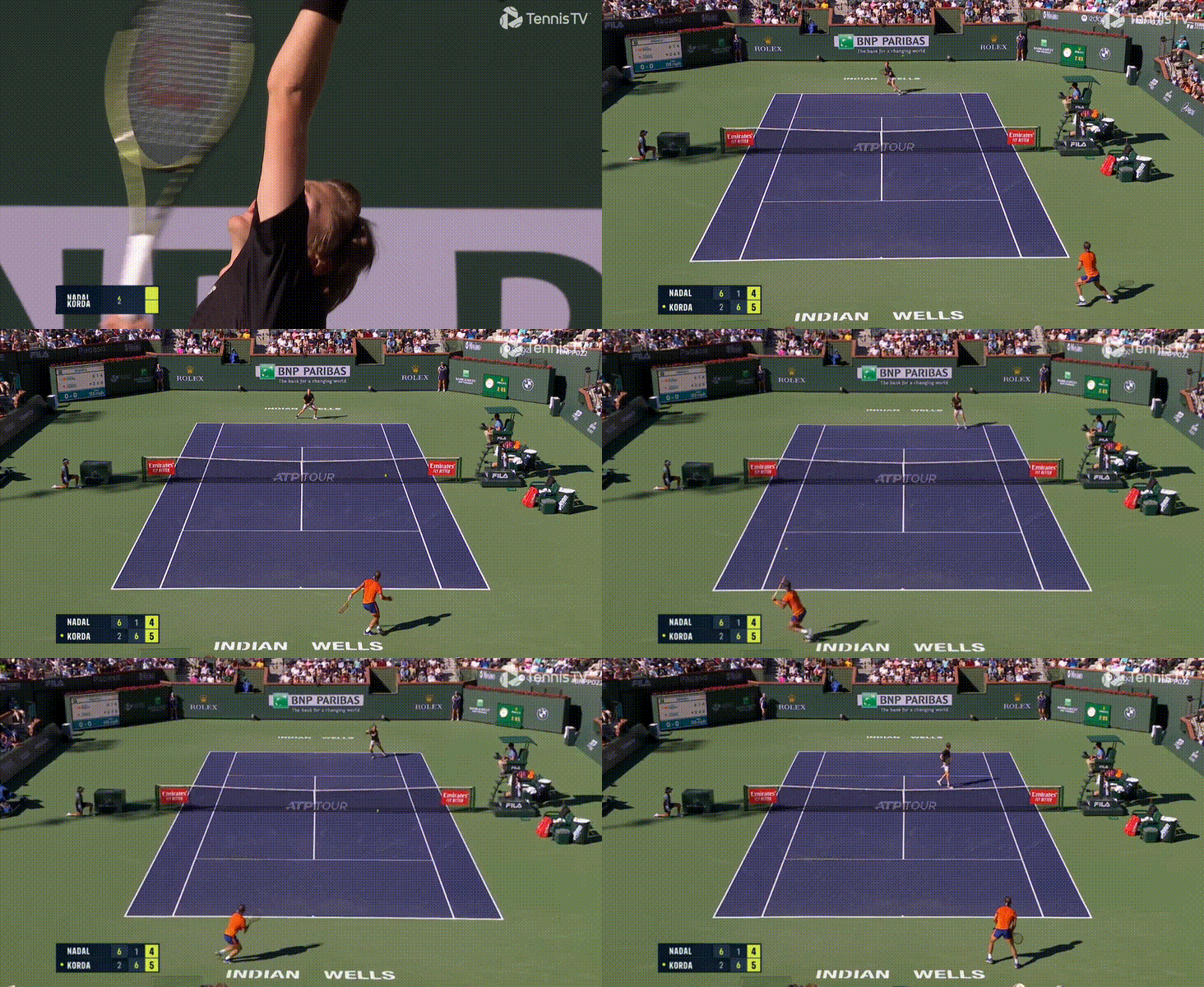
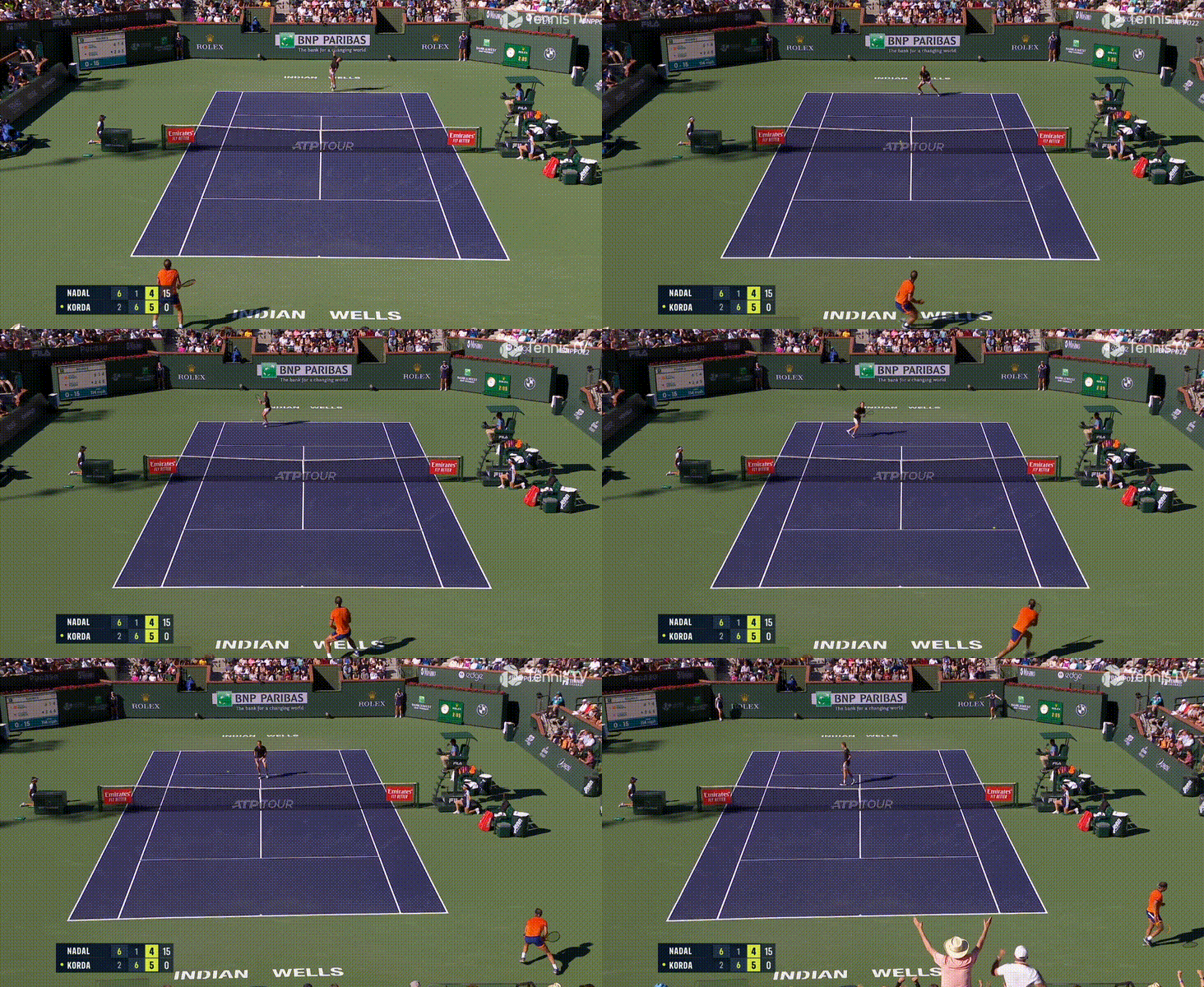
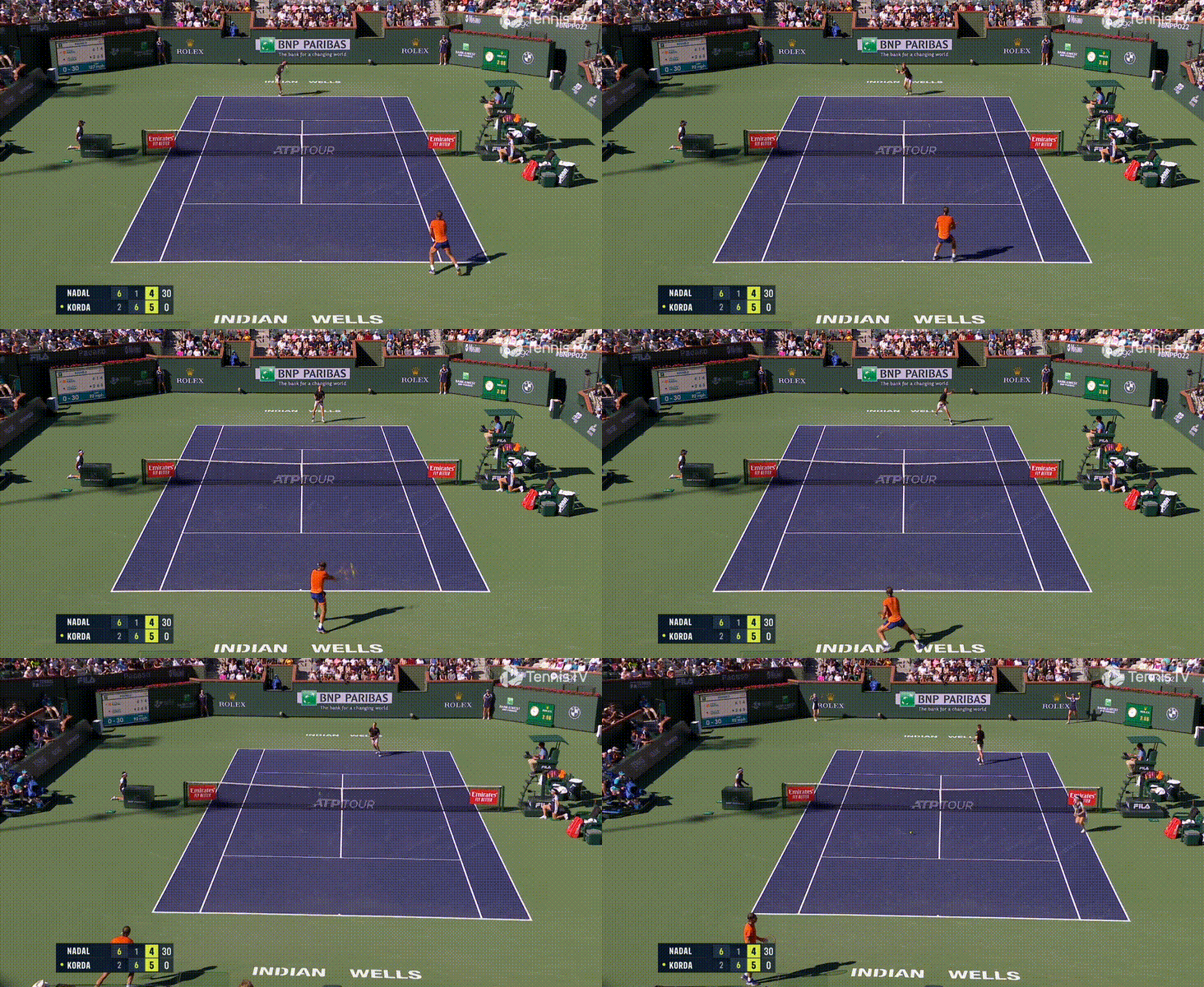
This time Nadal leaned on both his own shotmaking (first two passing shots) and Korda’s errors to get the break back. But again, Nadal, despite making the mistake of being too passive in that 0-30 point, managed the passive-offensive balance well overall.
In that third set, Nadal’s balancing act provided him with more opportunities to exert pressure on the high risk Korda game:
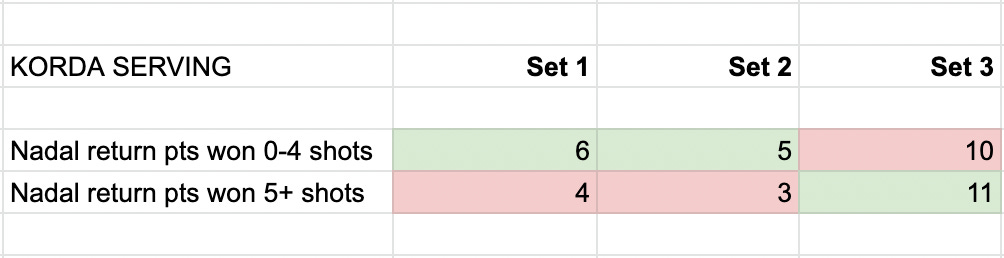
10%>90%
There’s an alternate reality somewhere where Korda won that match, serving it out on one of his two attempts. He would have deserved the win. As Nadal said:
…in that position from 100 matches, probably you going to lose 90. But if you give up, you're going to lose 100. If you are there, you can win 10%.
But Nadal is an expert at making that 10% chance loom as large as it possibly can in the mind of opponents. Yesterday he gave almost no help to Korda when it mattered. And that really is the most valuable lesson any player can take away from yesterday’s roller coaster.
If you as a player can lean on your own brilliance or shotmaking? Great. But sometimes it’s just as, if not more, important to give your opponent the chances, and the right environments, to falter. And through a mixture of the less experienced player’s nerves and Nadal’s uncanny ability to manage the passive-offensive balance, falter Korda did.
No surrender. No help.
— MW
Twitter: @mattracquet
See you on Thursday.
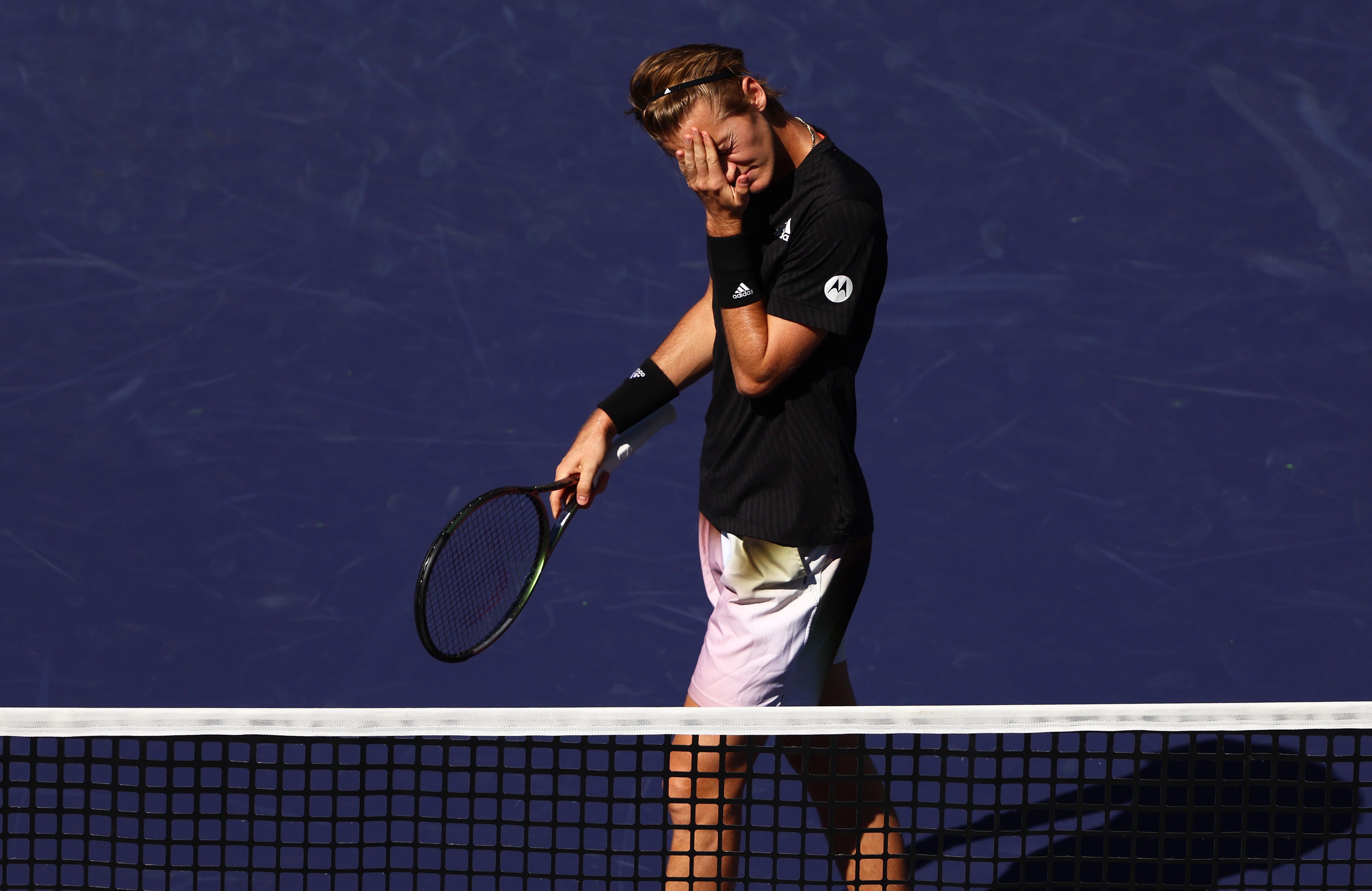
Top: Sean M. Haffey/Getty, Bottom: Clive Brunskill/Getty
Most recent:
